A high-quality heavy duty pallet can last over a decade, but its true operational lifespan is determined by daily handling and maintenance practices. Implementing a structured care programme can effectively double the service life of your plastic pallets, significantly lowering your total cost of ownership and improving warehouse safety. Neglecting these best practices leads to premature failure, causing product damage, operational disruptions, and unnecessary replacement costs. This guide provides actionable strategies for warehouse and logistics managers to maximise the value of their pallet assets. We will cover correct loading techniques, effective inspection and cleaning routines, and clear guidelines on when to repair, retire, and recycle your pallets, ensuring you get the most out of your investment.
How do proper loading and stacking prevent premature pallet failure?
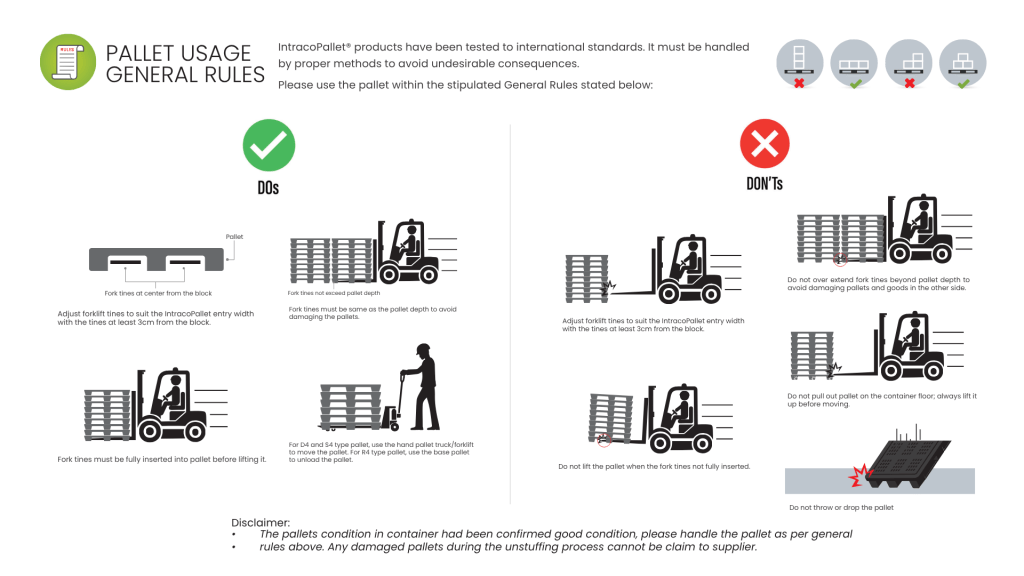
Correct loading and stacking are the most critical factors in preventing stress fractures and warping in a heavy duty pallet. Distributing weight evenly across the pallet’s surface ensures the load is supported as intended by the design. Concentrating weight in the centre or on edges creates pressure points that lead to structural fatigue and failure, even below the rated dynamic capacity. This is vital for irregularly shaped goods.
Even Load Distribution
Always ensure that the weight of your goods is spread across the entire top deck of the pallet. For bagged goods or irregular items, use a slip sheet or layer pad to create a flat, stable base that distributes the load. Avoid point loading, where the entire weight rests on a few small areas, as this can puncture or crack the pallet deck. The goal is to create a unified, stable block that moves with the pallet, not against it. This simple practice prevents the gradual bowing or sagging that compromises a pallet’s integrity over time, making it unsafe for racking or transport.
Safe Stacking Protocols
When block stacking loaded pallets, always adhere to the manufacturer’s specified static load capacity. Never exceed the recommended height, which is typically three to four units high, depending on the load’s stability and weight. Ensure each pallet in the stack is perfectly aligned with the one below it. Misaligned stacks create dangerous overhangs and uneven pressure, risking collapse and damage to both products and the pallets themselves. For empty pallets, stack them neatly in designated areas, keeping them clear of forklift traffic to prevent accidental impacts.
What is the best inspection and cleaning routine for plastic pallets?
A systematic inspection and cleaning programme is essential for identifying potential failures before they cause an incident and maintaining hygiene standards. A regular schedule ensures every heavy duty pallet in your fleet remains safe and compliant, especially in food and pharma sectors. This proactive approach extends pallet life and protects your products, equipment, and personnel. The routine must be consistent.
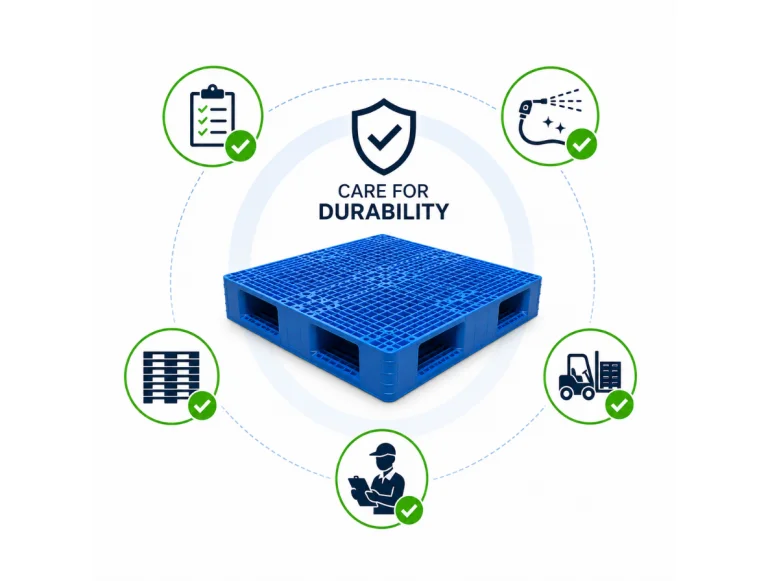
Here are five best practices for an effective pallet care programme:
- Inspect before every use. Train forklift operators to perform a quick visual check for obvious damage like cracked runners, broken corners, or significant warping before loading any pallet. This is the first line of defence against using a compromised warehouse solution.
- Conduct detailed monthly checks. Designate a team member to perform a more thorough inspection on a rotating basis. They should look for hairline cracks, signs of UV degradation (discolouration or brittleness), and any bowing that is not immediately obvious.
- Establish a clear quarantine process. Any pallet found with damage should be immediately removed from service and moved to a designated quarantine area. This prevents it from being accidentally used, which could lead to a costly failure under load.
- Clean pallets regularly. Use a pressure washer with a mild, non-caustic detergent to remove dirt, grease, and other contaminants. Regular cleaning prevents the build-up of abrasive materials that can degrade the plastic surface over time.
- Avoid harsh chemicals. Never use solvents or aggressive industrial cleaners on plastic pallets unless they are specifically approved for use on Polypropylene (PP) or High-Density Polyethylene (HDPE). These chemicals can make the plastic brittle and lead to premature cracking.
When should you retire, or recycle a heavy duty pallet?
Knowing when to remove a pallet from service is a key decision for maintaining warehouse safety and operational efficiency. A clear policy, understood by all staff, prevents damaged pallets from re-entering circulation and causing accidents. While plastic pallets are remarkably durable, they are not indestructible, and all materials have a finite service life. The decision to, retire, or recycle depends on the type and extent of the damage. Minor cosmetic damage may not affect performance, but any structural compromise is a serious safety risk.
For minor surface damage, such as deep scratches or small chips that do not affect the pallet’s structural integrity, the pallet can often remain in service.
A pallet must be retired immediately if it shows any of the following signs of critical failure:
- A cracked or broken runner or leg, which compromises its ability to be safely lifted.
- Significant warping or bowing in the top deck, which makes loads unstable.
- Large punctures or holes in the deck surface.
- Extensive brittleness or chalking.
Retired pallets should not be discarded as waste. These recyclable plastic pallets are valuable raw materials. A responsible end-of-life programme ensures they are collected and reground to be used in the manufacturing of new products, supporting a circular economy. Turn your retired pallets into value, reach out to our team to join our Buy-Back Programme. Maximising the lifespan of your heavy duty pallet fleet is a direct investment in operational efficiency and sustainability. IntracoPallet’s pallets are engineered for longevity, manufactured from high-impact resistant polymers that meet stringent ISO standards. Their robust design withstands the rigours of demanding warehouse environments, but their full potential is realised through the best practices outlined here. When your pallets eventually reach the end of their long service life, we support your sustainability goals with a buy-back programme. We ensure these recyclable plastic pallets are responsibly processed, closing the loop and contributing to a circular economy. Speak to an IntracoPallet specialist today to optimise your pallet management strategy.
Key Takeaways
- A heavy duty pallet can have its service life doubled from five years to over ten with proper handling, inspection, and storage protocols.
- Always distribute weight evenly across the entire pallet deck to prevent stress fractures and avoid concentrating loads in the centre.
- Implement a routine inspection programme where operators perform quick visual checks before each use and a detailed check is done monthly.
- Immediately quarantine any pallet with structural damage, such as cracked runners or significant warping, to prevent accidents and product loss.
- Clean plastic pallets with mild detergents and avoid harsh solvents, which can degrade the plastic and make it brittle over time.
- Partner with a supplier that offers an end-of-life recycling programme to ensure your retired pallets are responsibly managed.